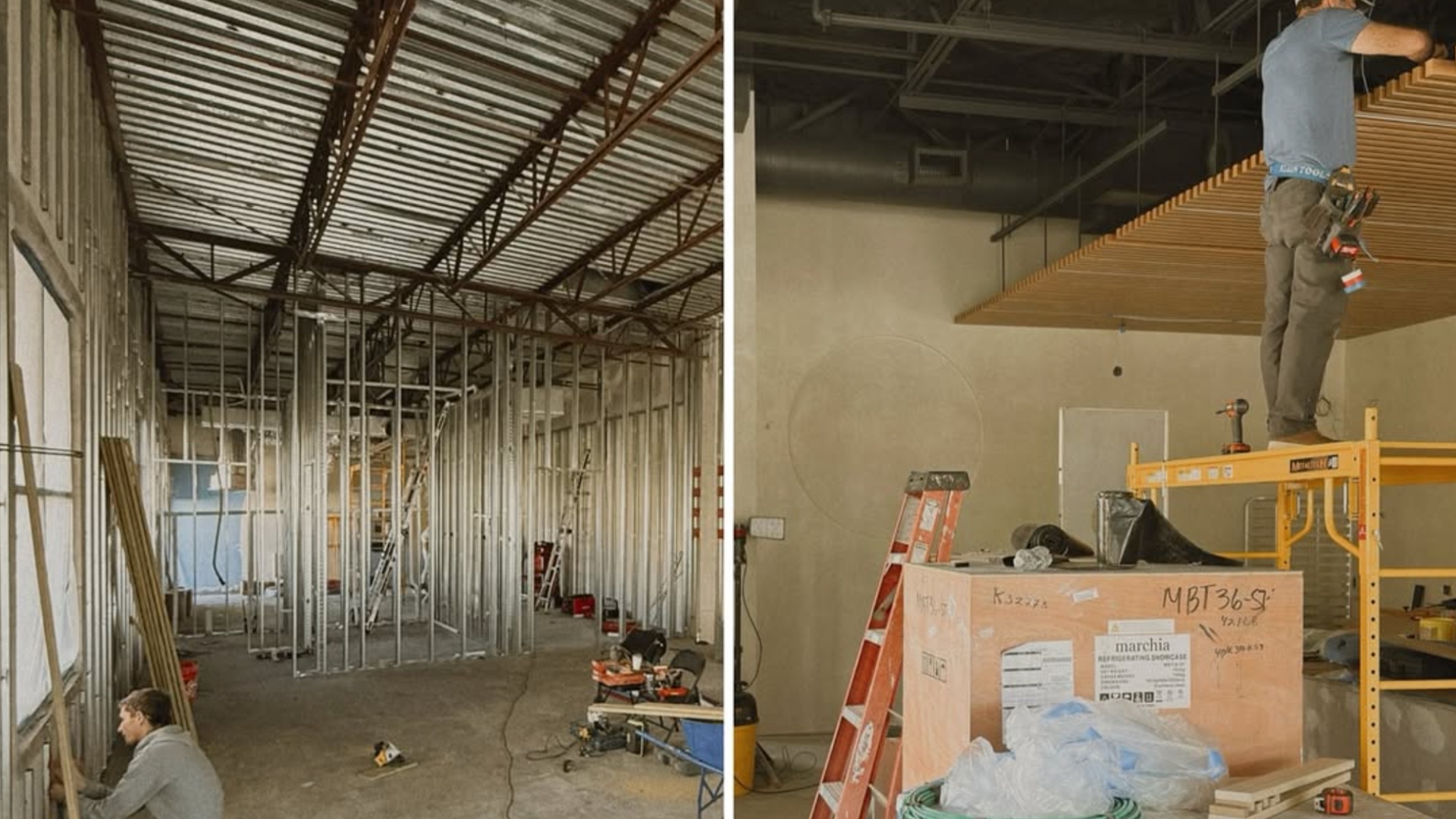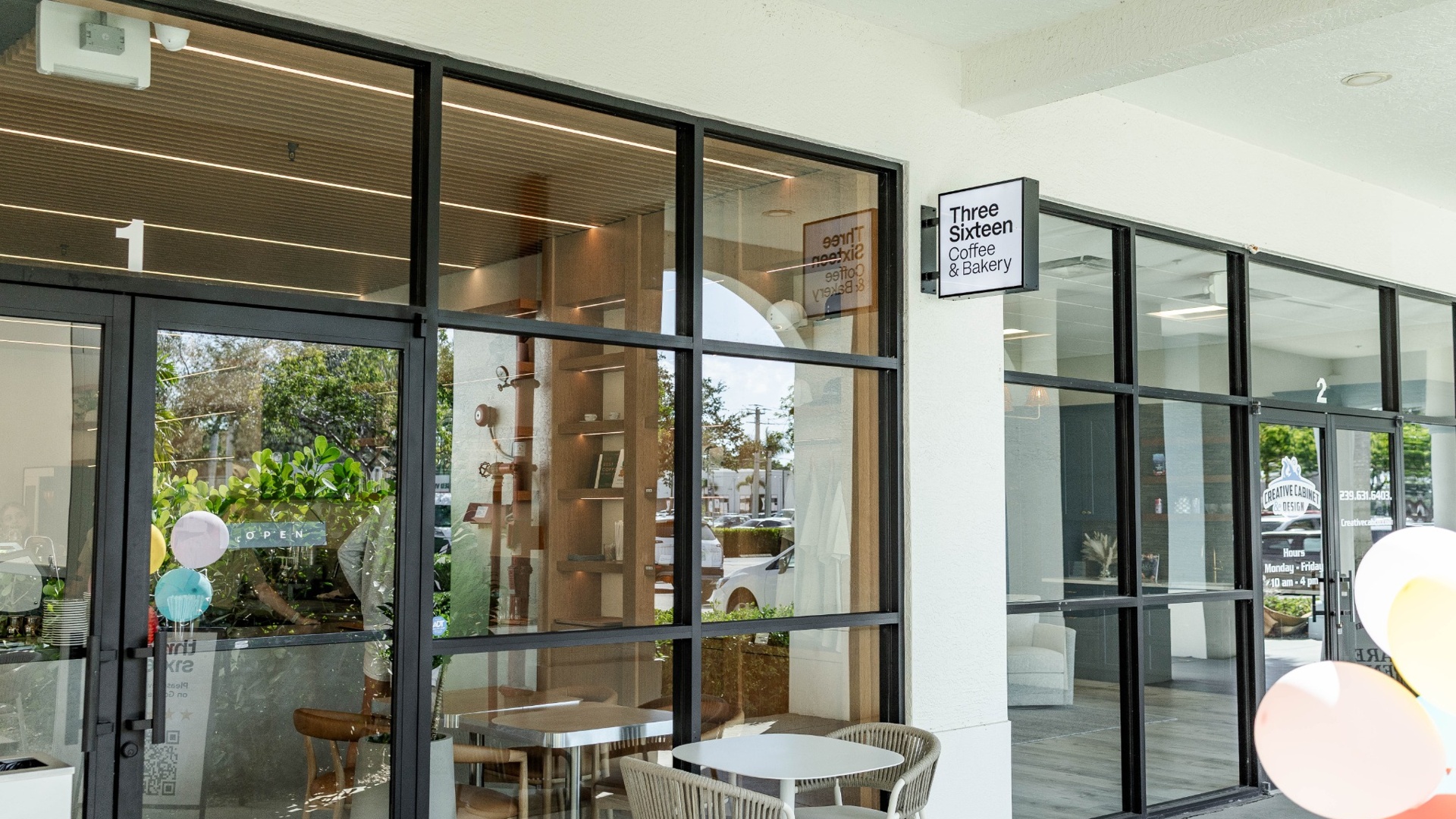

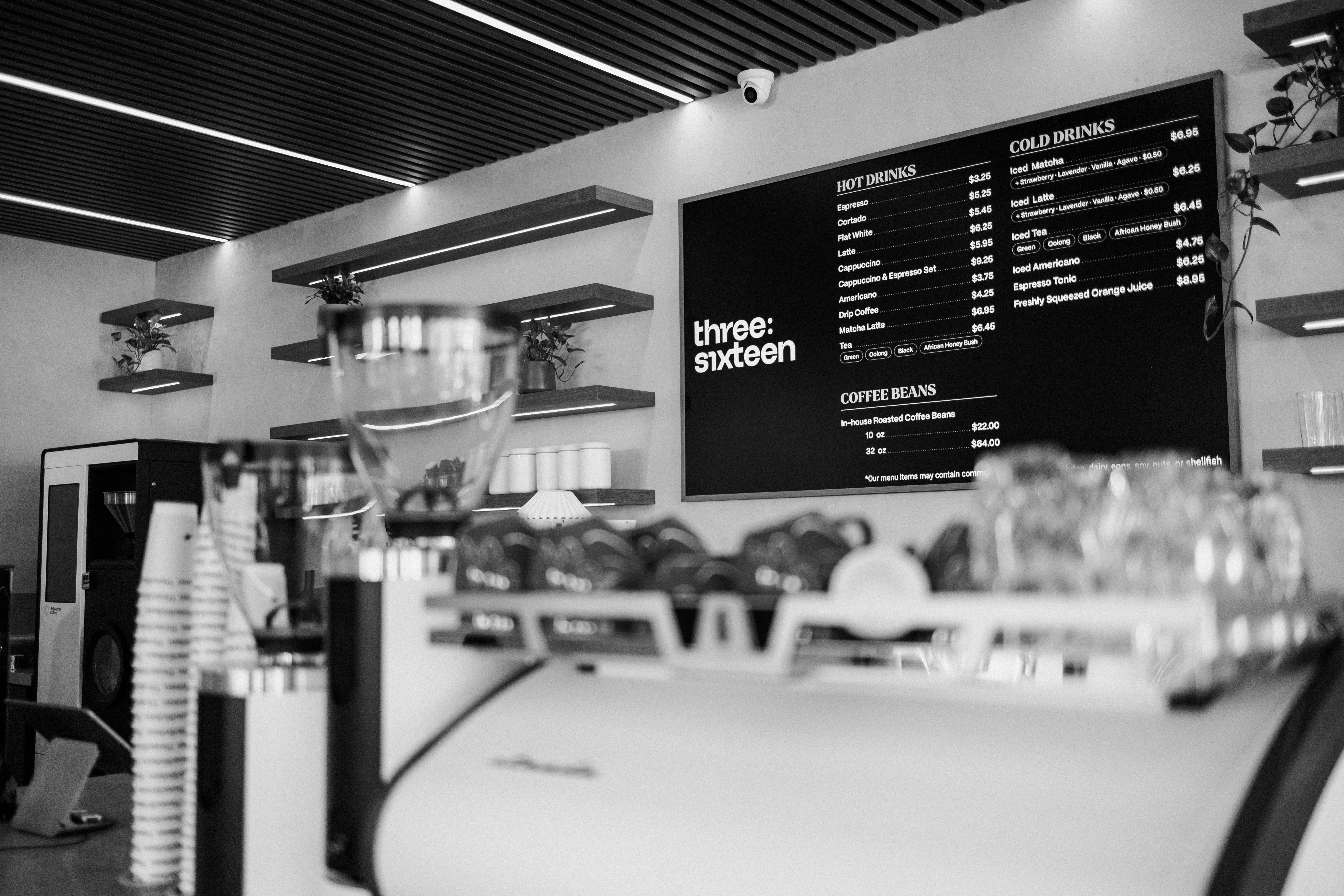
If someone saw only the final version of our café - the atmosphere, the design, the pastries, the coffee, the service - they might think the first 100 days were smooth.
They weren’t.
The first 100 days after opening were some of the hardest days of the entire project.
We made mistakes, we fixed mistakes, and then we fixed the fixes. Sometimes we worked at night, sometimes on weekends, sometimes in the middle of service - anything to solve the issues that came up.
This post is not about complaining.
It’s about honesty - because anyone who has ever built something meaningful knows: the beginning is chaos.
Here’s what our chaos looked like.
1. Training Didn’t Go as Planned
We invested a lot into training.
But training on paper is one thing - training in a live environment is something else entirely.
In the first weeks:
- drinks were inconsistent (especially iced drinks)
- pastries sold out too fast or not fast enough
- systems weren’t followed, and some system implementations were delayed
- communication broke down
- people froze during rushes
- orders were sometimes forgotten and many times, we brought the wrong orders
- workflows didn’t make sense yet
None of this was the team’s fault.
None of this was the guests’ fault.
It was our inexperience.
We were learning what a real specialty café demands in real time, with real guests standing in front of us.
2. Our Menu Was Strong… but Not Stable
Some pastries were too big.
Some were too small.
Some baked differently each day because we didn’t yet have a fully implemented system.
Some products required equipment adjustments we didn’t understand at first.
Croissant production alone took weeks to calibrate and we are still calibrating.
This may take a while.
We also underestimated how much inventory we needed:
- one day we would run out of almost everything
- the next day we would overproduce and throw things away
All normal for a new bakery — but it was our first time experiencing it.
3. Operational Systems Broke Under Pressure
You can plan systems.
You can document systems.
You can visualize systems.
But you cannot truly test systems until guests show up.
We discovered very quickly that:
- the POS flow needed changes
- communication between baristas and cashiers broke at rush hour
- our drink-making station wasn’t optimized
- the pick-up area created confusion
- ticket timing needed adjustments
- our food workflow was inefficient
- opening and closing checklists were incomplete
A lot of the systems we thought were “done” turned out to be version 0.1.
We were still building the plane while flying it.
4. Team Stress Was Real
When the café gets busy, stress increases.
And stress reveals gaps — in training, in communication, in consistency, in leadership.
We saw:
- tension between team members
- people overwhelmed by rushes
- moments when leadership had to step in
- the clear need for defined roles and responsibilities
Our team worked incredibly hard — but we, as founders, had to grow faster.
One of the biggest lessons:
Your café won’t grow until your leadership grows first.
5. Guest Feedback Was a Blessing — and Sometimes Painful
Most feedback was positive.
But some comments were difficult to hear:
- slow service
- inconsistent drinks
- long lines
- pastries sold out too early
- seating issues
- loudness
- confusion about ordering
- complaints that we weren’t open on Monday or Sunday
Every comment hit us emotionally — but every comment also improved us.
Guest feedback became our operational compass.
6. Equipment Problems Appeared Out of Nowhere
In the first 100 days we dealt with:
- a broken coffee roaster (twice)
- grinder calibration issues
- espresso machine maintenance surprises
- oven inconsistencies
- plumbing issues (a lot of them)
- electrical panel resets
- issues with the speakers and sound system
When one piece of equipment breaks, it affects the entire flow.
We learned how to troubleshoot everything — fast.
7. We Underestimated How Much Leadership the Team Needed
We thought:
Good people + Good training = Smooth execution.
But leadership is the glue.
We were still figuring out:
- how to coach
- how to communicate clearly
- how to set expectations
- how to correct mistakes with kindness
- how to build confidence
- how to keep morale high during difficult days
The café wasn’t the only thing growing — we were growing.
8. The Turning Point
The reason we survived the first 100 days was simple:
- We refused to ignore problems.
- We fixed everything immediately.
- We improved every single day.
- We held the standard.
- We never said, “It’s fine.”
Daily micro-improvements compounding → a completely different level of excellence.
The chaos didn’t disappear — we just became better at leading through it.
9. The Lesson
The first 100 days are not supposed to be perfect.
They are supposed to teach you what perfection requires.
This period became the foundation of everything we will build next:
- stronger training systems
- better hiring standards
- smoother menu development
- more thoughtful workflows
- clearer leadership
- higher expectations
- a healthier culture
- and a deeper understanding of what excellence truly costs
This was our real beginning.